
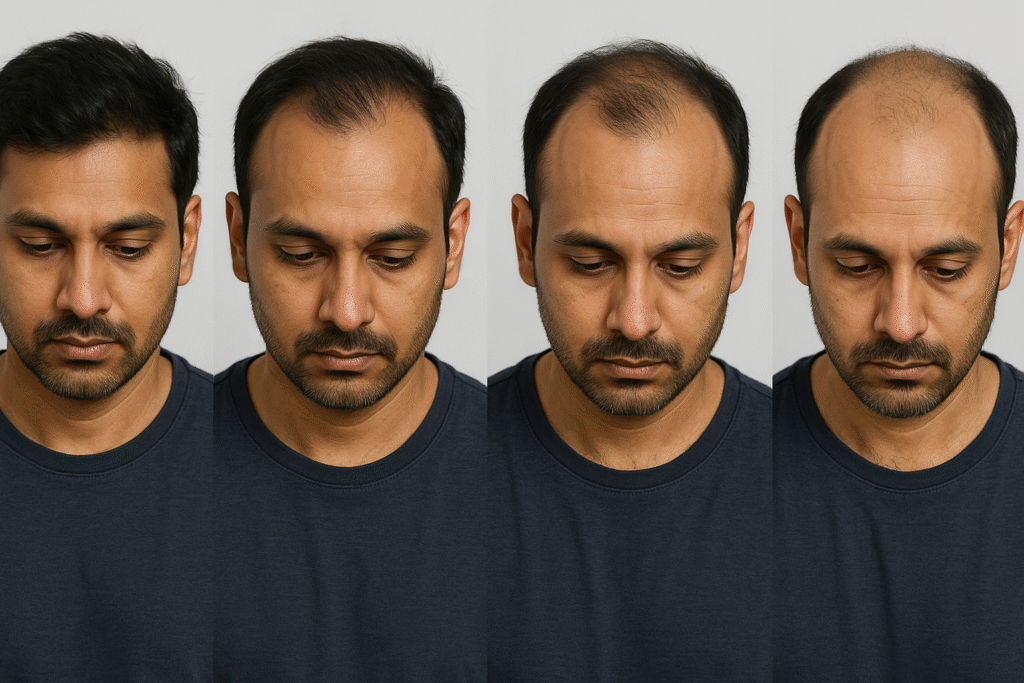
A receding hairline isn’t just about aesthetics — for many people, especially men in their 30s and beyond, it can be a worrying sign that something deeper is changing with their hair and scalp health. While it’s easy to chalk it up to aging, the truth is that multiple factors can contribute to this slow but noticeable shift.
Understanding what really triggers a receding hairline can help you make informed choices, manage it better, and potentially slow the process down with consistent, scalp-focused care.
What Causes a Receding Hairline?
1. DHT and Hormonal Imbalance
Dihydrotestosterone (DHT) is a natural byproduct of testosterone. While it plays a vital role in the development of male characteristics, excess DHT is often linked to hair loss. It binds to receptors in scalp follicles and causes them to shrink over time. This miniaturization leads to weaker, thinner hair and eventually to baldness — especially around the temples and forehead.
For women, it’s not DHT but changes in estrogen levels that are more commonly linked to hair thinning. Hormonal changes during menopause or due to conditions like PCOS can disrupt the normal hair cycle and lead to shedding around the front hairline or temples.
2. Genetic Influence
If your father, uncle, or grandfather had a receding hairline, there’s a good chance you’ll see it too. Genetic predisposition, especially related to androgenic alopecia, plays a strong role in how early and how fast your hairline recedes. It’s also worth noting that the genetic factor can come from either parent’s side.
3. Daily Habits and Grooming Practices
Constant friction from hats, helmets, or rough handling during brushing can contribute to stress at the hairline. Styles that pull tightly on the front of the hair — such as ponytails, buns, or headbands — can lead to traction alopecia, where prolonged tension gradually weakens hair at the roots.
Excessive washing, using strong shampoos, or relying heavily on styling gels and waxes can also disturb the scalp’s natural barrier and impact long-term hair retention.
How to Spot It Early
Early intervention can make a significant difference when it comes to a receding hairline. Here are some signs to look out for:
- Hair thinning around the temples or crown
- A visibly uneven hairline
- More hair fall during showers or while combing
- Fine or miniaturized hairs replacing thicker strands
- Photos showing a shift in hairline over time
Keeping a close eye on how your hairline looks in natural light and reviewing older photos periodically can help detect subtle changes you might otherwise ignore.
Scalp Circulation: Why It Matters More Than You Think
Healthy hair requires a steady supply of oxygen and nutrients, both of which are delivered through blood flow to the scalp. Poor circulation, whether due to tight muscles, stress, or inactivity, can reduce the nourishment reaching your follicles — especially those around the front of the scalp, which are already more vulnerable to DHT.
Many people overlook the importance of stimulating the scalp. Regular scalp massages, gentle brushing, or even simply lying with your head slightly elevated at night can encourage better blood flow.
Some users who added consistent scalp massage into their care routines — especially with nourishing oils — have noted gradual improvements in hair texture and a feeling of reduced tension at the hairline.
When Is It Time to Focus on Scalp Care?
Shampooing, conditioning, and styling are all great for how your hair looks, but they don’t always support what’s happening beneath the surface. If you’re noticing a persistent shift in your hairline, it might be time to move beyond general hair care and shift your attention to the scalp.
This includes:
- Choosing residue-free products that don’t clog follicles
- Applying lightweight, daily-use scalp nourishment products
- Avoiding excessive washing that strips away natural oils
- Giving your scalp time to rest between styling sessions
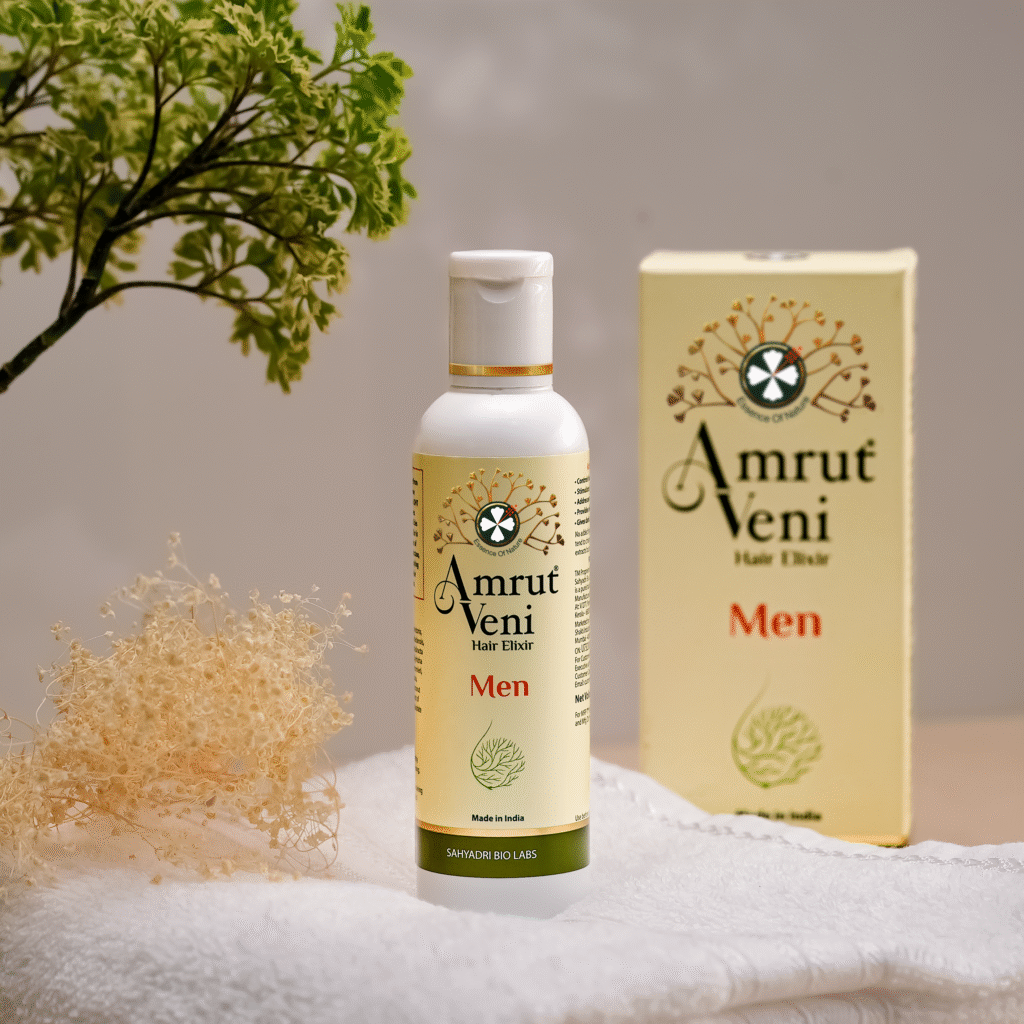
A few users have turned to Amrutveni Hair Elixir, a light and non-greasy product aimed at scalp nourishment. It’s been used by some men noticing changes at the hairline, especially those sensitive to heavier oils or frequent product build-up. While it isn’t a fix or guarantee, users have reported it as a helpful step in keeping their scalp better conditioned.
Can You Slow It Down?
There’s no one-size-fits-all method to stop a receding hairline. However, adopting a more mindful approach to your hair and scalp can make a difference over time. Here’s what to consider:
1. Nutrition
Hair health begins from within. A diet rich in zinc, iron, vitamin D, biotin, and omega-3 fatty acids supports the body’s natural hair growth processes. Even if you eat well, poor absorption due to gut health or medication can limit how much your follicles actually receive.
2. Stress and Sleep
Chronic stress raises cortisol levels, which disrupt hair growth cycles. Hair that enters the shedding phase prematurely doesn’t always regrow in the same density. Better sleep, mindfulness practices, and exercise can support a more balanced internal environment.
3. Hydration
Hydration isn’t just about drinking water. It’s also about maintaining moisture in the scalp. Over-drying shampoos or long exposure to the sun without covering the head can dry out the scalp, contributing to inflammation and shedding.
4. Scalp Care Routine
Look at your current routine and ask, is this supporting my scalp or just styling my hair? Products that focus on daily nourishment without buildup, like light elixirs or hydrating mists, are often more sustainable for long-term care.
A receding hairline doesn’t mean you’re out of options. It’s a sign — not a sentence. Understanding the underlying triggers, from DHT to daily grooming friction, can help you respond in ways that feel proactive and grounded.
And while there’s no perfect fix, building a simple, consistent scalp care habit that includes good nutrition, gentle grooming, and lightweight nourishment can support your hairline over time.
Some people begin this journey with just a few changes — fewer harsh shampoos, more hydration, and products that suit their scalp type. Others choose to incorporate alternatives like Amrutveni Hair Elixir a couple of times a week, not as a cure, but as part of a more mindful approach to daily care.
In the end, what works best is often what fits your routine, feels sustainable, and aligns with how your hair responds. Hairlines may change, but thoughtful care doesn’t have to be complicated. And sometimes, the small, consistent steps turn out to be the most meaningful ones.