
Clinically-Backed Insights on Women’s Hair Loss in India
Hair loss is a common concern for women, yet its causes and solutions are often misunderstood. In India, where long, dense hair is culturally prized, noticeable thinning or breakage can be distressing. Studies estimate that 20–30% of Indian women have experienced hair thinning or significant hair loss in recent years alcsindia.com, with some surveys suggesting up to 40% noticing hair loss by their 40s maxhealthcare.in. Early-onset hair fall, postpartum shedding after childbirth, and damage from beauty treatments are frequently reported. This article delves into the major clinically-recognized causes of women’s hair loss – from hormonal imbalances and stress to chemical damage and nutritional deficiencies – and discusses how these factors lead to issues like thinning, dryness, loss of elasticity, brittle strands, and breakage. We also explore what nutrients can help restore healthy hair structure, especially for women with deficiencies or absorption problems. Finally, we present a science-driven topical remedy – Amrutveni Hair Elixir for Women – as a completely natural and effective alternative that addresses these root causes using biotechnology.
Major Causes of Hair Fall in Women
Women’s hair loss is usually multi-factorial. While genetics play a role (female pattern hair loss can occur with age), hormonal changes, lifestyle stressors, harsh hair treatments, and poor nutrition are leading contributors in many cases. Unlike men, women often experience diffuse thinning or hair breakage rather than complete bald patches. Understanding these causes is the first step to preventing and treating hair fall.
Hormonal Imbalances (PCOS, Menopause, Postpartum, Estrogen Loss)
Hormones have a profound impact on the hair growth cycle. Estrogen, the primary female hormone, generally helps keep hair in the growing phase longer and counteracts hormones that cause hair loss biolabspro.combiolabspro.com. When estrogen levels fluctuate or drop, women may see noticeable hair changes. For example, during menopause the ovaries produce less estrogen – many women find their hair becoming thinner, with less volume and more prone to breakage as estrogen declines nioxin.comnioxin.com. In polycystic ovary syndrome (PCOS), an imbalance with excess androgens (male hormones) can lead to scalp hair thinning (even as unwanted facial hair grows). After childbirth (postpartum), the sudden fall in estrogen (from high pregnancy levels back to normal) often triggers telogen effluvium, a condition where a large number of hairs that were in a prolonged growth phase shed all at once a few months after delivery dermnetnz.orgdermnetnz.org. This postpartum hair fall is usually temporary, but it can be alarming as clumps of hair shed during brushing or showering.
Thyroid disorders (hyper or hypothyroid) and discontinuing birth control pills can also shock the hormonal system and affect hair follicles. The key link is that estrogen deficiency or sudden hormonal shifts shorten the hair’s growth phase and accelerate its resting/shedding phase, leading to increased hair fall. Hair follicles may also miniaturize under hormonal influence, producing finer, weaker hairs. Women with hormonal hair loss often notice generalized thinning across the scalp or a widening center part, rather than distinct bald spots. Stabilizing hormones (with medical therapy) often helps, but this can be slow. In the meantime, topical support that mimics estrogen’s positive effects on hair may be beneficial – for instance, plant-derived phytoestrogens have been suggested to help stimulate hair growth in low-estrogen conditions like menopause medicalnewstoday.commdpi.com.
Lifestyle Stress and Damaging Hair Practices
Modern lifestyle factors can significantly affect hair health. Psychological stress is a well-known trigger for diffuse hair loss – high stress levels push hairs prematurely into the resting/shedding phase (telogen). In fact, severe physical or emotional stress (“shock to the system”) can cause up to 70% of hair strands to enter the shedding phase, resulting in acute hair fall a couple of months after the event dermnetnz.org. Even chronic stress can contribute to persistent shedding. Moreover, stress elevates hormones like cortisol that may impair the hair growth cycle and lead to fiber fragility, and studies have shown clear links between stress and both hair loss and hair breakage healthline.com. Many women notice increased hair fall during periods of anxiety, illness, or fatigue.
Apart from internal stress, external trauma from everyday hair care routines can literally break your hair. Aggressive grooming habits and salon treatments are among the top culprits behind hair breakage in women. Heat styling with frequent use of flat irons, curling wands, or high-heat blow dryers can damage the protective cuticle layer of hair. The cuticle is made of overlapping scales that lock in moisture. Excess heat causes these scales to crack and lift, leading to moisture loss and weak, “fried” hair that splits or snaps easily healthline.comhealthline.com. Similarly, chemical treatments like hair colouring, bleaching, straightening, or perming break down structural proteins in the hair. Over-processing with dyes or relaxers strips the hair’s natural oils and damages keratin bonds, resulting in dry, straw-like strands that lack elasticity. The hair becomes fragile and prone to breakage from root to tip.
Even seemingly simple styling habits can cause cumulative damage. Tight hairstyles (like high ponytails, braids, or buns) put traction on hair follicles – over time this traction alopecia can cause hair along the hairline or crown to thin. Rough brushing or combing, especially when hair is wet and more elastic, can stretch fibers to the breaking point. Regular use of rubber bands or metal clips can snag and break hairs. According to dermatologists, approximately 40% of women lose extra hair daily simply due to the way they style or treat it healthline.com. Many of those hairs are not shed from the root but actually broken mid-shaft from mechanical stress.
Environmental factors also play a role. Sun exposure (UV radiation) degrades the hair’s protein structure and pigment, contributing to dryness and split ends. Pollution and hard water can create scalp buildup or oxidative stress that weakens hair. Additionally, harsh hair products can do more harm than good. Shampoos with strong sulphate detergents(SLS/SLES) strip away the scalp’s natural sebum and moisture from the hair fiber. This leaves hair feeling “squeaky clean” but also dry and brittle. Over-washing or using very hot water has a similar drying effect. Alcohol-based styling products can further dehydrate the hair. Many cheap hair oils or serums contain mineral oils and silicones that coat the hair but don’t truly nourish it, leading to temporary shine at the expense of long-term hair health.
In short, our daily hair care practices can inadvertently lead to cumulative damage. Excessive heat, chemical exposure, and mechanical friction all erode the hair’s natural strength. The result is hair that thins out not only from the roots, but breaks off along the shaft, giving an overall impression of volume loss. Recognizing these external causes is important, because they are preventable. Gentle handling of hair – limiting heat styling, using heat protectant sprays, choosing looser hairstyles, and avoiding harsh chemical treatments – can dramatically reduce breakage-related hair fall. Moreover, using mild, sulphate-free cleansers and deep-conditioning regularly helps maintain the hair’s moisture and elasticity.
Poor Nutrition and Nutrient Deficiencies
Hair is often called a “barometer” of internal health. Nutritional deficiencies or crash diets typically show up in the hair’s condition – one might see increased shedding, dullness, or breakage. Hair fiber is composed mostly of a protein called keratin, which is built from amino acids obtained through diet. It also requires a host of vitamins and minerals to grow properly. If the body is running low on essential nutrients, it prioritizes vital organs over hair, and hair growth can slow or hair strands become weaker and thinner.
One of the most common deficiency-related causes of hair loss in women is iron deficiency. Iron is critical for red blood cells to carry oxygen; low iron (especially low ferritin, the stored iron) means hair follicles may not get enough oxygen and nutrients. Iron deficiency is a well-known cause of diffuse hair shedding in women – studies show it can stunt hair growth and result in progressive thinning theindependentpharmacy.co.uk. This is particularly an issue in India, where iron-deficiency anemia is prevalent among women of reproductive age (due to menstruation, vegetarian diets, etc.). Along with hair fall, iron-deficient hair often feels dry and brittle. Low vitamin D is another widespread issue linked to hair problems. Vitamin D plays a role in the hair follicle cycling and cellular differentiation. Insufficient vitamin D can manifest as dry, brittle hair that breaks easily, along with increased shedding theindependentpharmacy.co.uk. Indeed, a clinical study on patients with diffuse hair loss found significantly lower levels of serum ferritin (iron stores) and vitamin D compared to healthy individuals pubmed.ncbi.nlm.nih.gov. In that study, nearly 80% of the women with hair loss had a vitamin D deficiency, highlighting how crucial this nutrient is for hair follicle health.
Several other vitamins and minerals are needed to maintain strong, growing hair. Zinc helps with tissue growth and repair (including hair follicle function), and zinc deficiency is known to cause hair loss and sometimes scalp dermatitis. Vitamin B7 (Biotin) is famed for hair health – severe biotin deficiency is rare but can cause brittle hair and nails. More commonly, vitamin B12 or folate deficiency (which can occur in vegetarians or those with malabsorption) may contribute to anemia and hair thinning. Vitamin C is needed to absorb iron and to build collagen (the connective tissue in hair shafts); low vitamin C can lead to dry, splitting hair and slow hair regrowth theindependentpharmacy.co.uk. Vitamin A is required for cell growth (including hair matrix cells), and deficiency in vitamin A can result in thinning, shedding hair and a flaky scalp theindependentpharmacy.co.uk. (However, too much vitamin A from supplements can also cause hair loss, so balance is key.) Vitamin E is an antioxidant that helps maintain a healthy scalp circulation; inadequate vitamin E is associated with increased hair breakage, dryness, and shedding theindependentpharmacy.co.uk. Even essential fatty acids (Omega-3 and Omega-6) are important – a lack of these “good fats” can yield a dry, itchy scalp and brittle hair strands theindependentpharmacy.co.uk.
One often overlooked group of nutrients are the sulfur-containing amino acids – such as methionine and cysteine – which form the backbone of keratin protein. These amino acids give hair its strength and resilience (cysteine in particular forms disulfide bonds that provide elasticity). If one’s diet is low in protein or if these amino acids are not well absorbed, the hair produced will be weaker. Inadequate intake or poor absorption of protein building-blocks can disrupt the hair’s normal growth and renewal, leading to fragile, easily broken hair ducray.comducray.com. This is sometimes seen in strict vegan diets without proper protein substitutes, or in conditions like celiac disease where nutrient absorption is impaired. In such cases, dermatologists often recommend protein and amino acid supplements to improve hair strength ducray.com.
Overall, good nutrition is foundational for healthy hair. Deficiencies in iron, vitamin D, zinc, B-vitamins, vitamin C, vitamin A, and protein can each cause or aggravate hair loss and breakage theindependentpharmacy.co.ukducray.com. The loss of moisture and elasticity in hair is often linked to lack of certain nutrients (for instance, low essential fatty acids or vitamins) that normally keep the hair shaft supple. Fortunately, if a nutrient deficiency is identified, correcting it can often reverse the associated hair problems. Iron supplements or vitamin D supplements, for example, have been shown to reduce excess hair shedding once levels normalize theindependentpharmacy.co.uktheindependentpharmacy.co.uk. A balanced diet rich in leafy greens (iron, folate), eggs and dairy (biotin, protein, vitamin D), nuts and seeds (vitamin E, zinc, essential fats), and fruits (vitamin C) provides the raw materials for hair growth. In women who have trouble absorbing nutrients (due to gut issues or post-surgery), working with a doctor on proper supplementation is important – and topical solutions that deliver nutrients to the scalp may be especially helpful in such cases.
Hair Breakage vs. Hair Fall: The Role of Dryness and Scalp Health
It’s important to distinguish true hair loss from the root (alopecia) and hair breakage. Many women who see lots of “hair fall” in their brush may actually be dealing with breakage of the hair shaft. In fact, experts note that a large portion of daily hair loss in women comes from weak or damaged hairs snapping off, not just shedding from the scalp. Roughly 40% of women regularly lose additional hair due to styling-related breakage healthline.com, indicating how widespread this issue is. Over time, breakage can significantly thin out the appearance of your hair even if your follicles are still growing hair normally.
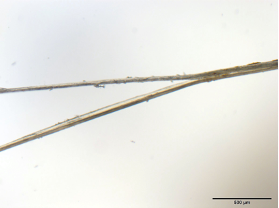
A microscopic view of human hairs with split ends illustrates how the protective outer cuticle can fray and unravel when hair is damaged. When the cuticle’s overlapping scales fall apart (due to harsh treatments or moisture loss), the inner cortex of the hair is exposed and the strand loses strength. The hair fiber becomes dry, brittle, and prone to splitting healthline.com. Eventually the weakened strand may break off entirely. This mechanical breakage often presents as short, flyaway pieces and frayed ends, and it contributes to what many women perceive as “excessive hair fall.” Unlike natural shed hairs which typically have an intact root bulb, broken hairs are blunt or split at the end.
Loss of moisture is a major culprit behind breakage. Healthy hair contains moisture within the cortex, which keeps it flexible. When hair is repeatedly subjected to heat and chemicals, it loses natural oils and proteins that normally lock in moisture. The resulting dryness causes loss of elasticity – hair that would normally bend will instead snap. One sign of chronically dry hair is the appearance of split ends (trichoptilosis), where the tip of the hair fiber frays into two or more strands. If up to 70% of the hair’s moisture is depleted (as can happen with repeated bleaching or flat ironing), even a slight tug can break the fiber. Weakened hair also tangles more, leading to more breakage during combing. Conditioning and hydration are therefore critical to minimizing breakage-related loss. Using nourishing hair masks or leave-in conditioners can replenish lipids and seal the cuticle, improving the hair’s tensile strength and stretch before breakage.
Equally important is the health of the scalp environment. The scalp is the soil from which hair grows – if it’s unhealthy, hair growth and retention suffer. Chronic scalp conditions like seborrheic dermatitis (dandruff) or psoriasis can cause inflammation that damages the hair follicle over time, leading to thinner growth. They can also itch and lead to scratching, which can physically damage hair fibers or dislodge hairs. A very dry scalp lacks the sebum to condition new hairs, so they grow out more brittle. Conversely, an overly oily scalp or product build-up can clog follicles. Maintaining a clean, balanced scalp (not too dry or too oily) is key. Some chemicals in hair products can irritate or weaken the scalp as well – for example, parabens and formaldehyde-releasing preservatives might cause low-grade scalp irritation in some people, and sulphate shampoos can over-cleanse and trigger rebound oiliness or dryness.
Switching to gentle hair care can improve scalp and hair fiber integrity. For instance, sulfate-free shampoos (which avoid harsh detergents) help hair retain natural moisture. A product like Amrutveni’s Hair Cleansing Nectar is an example of a gentle cleanser that forgoes sulphates and parabens, helping to keep hair soft and flexible timesofindia.indiatimes.com. By preserving the scalp’s natural oils and pH, such cleansers reduce the risk of dryness and brittleness in the hair. Additionally, regular scalp massages or the use of nourishing oils can stimulate blood circulation and sebaceous glands, improving scalp health. In summary, hair breakage is largely preventable: keeping the hair well-moisturized, minimizing damaging styling practices, and maintaining a healthy scalp will significantly reduce breakage-related hair loss. In fact, many women who cut down on heat styling and improve their hair care routine report that their “excessive hair fall” mysteriously stops – because what they were really stopping was hair breakage, not just shedding.
Nutrients That Restore Hair Structure and Prevent Hair Fall
Given the role of nutrition discussed above, it’s worth highlighting which key nutrients support strong, healthy hair – especially for women who might have dietary gaps or absorption issues:
- Protein & Amino Acids: Adequate protein is vital. Hair’s structure is protein-based, so diets extremely low in protein can cause diffuse hair loss. The amino acid cysteine is particularly important for hair strength – it forms disulfide bonds that give hair its resilience and elasticity. Methionine (an essential amino acid) is needed to supply sulfur for keratin. If you don’t absorb enough protein or sulfur amino acids (such as in certain gut disorders or with aging), hair becomes weaker ducray.com. Ensure you have protein in each meal (legumes, eggs, dairy, lean meats) to provide these building blocks.
- Iron: Iron deficiency is very common in women and a well-documented cause of hair fall theindependentpharmacy.co.uk. Iron helps red blood cells deliver oxygen to the scalp and hair follicles. Low ferritin (iron storage) has been linked to hair thinning, and many physicians check ferritin in women with hair loss. Good sources: leafy greens, beans, lentils, red meat. Vitamin C helps iron absorption, so pair iron-rich foods with vitamin C foods (e.g. spinach with lemon juice). If you have heavy periods, pregnancy, or a history of anemia, keeping an eye on iron is crucial for your hair’s health.
- Vitamin D: This fat-soluble vitamin plays a role in the hair follicle life cycle (vitamin D receptors are found in follicles). Deficiency is extremely common (including in sunny climates like India, due to indoor lifestyles or sunscreen use) and has been implicated in hair loss conditions theindependentpharmacy.co.uk. Low D may disrupt the growth phase of hair. Your doctor can test your vitamin D levels; supplements or moderate sun exposure can improve levels. Many women report decreased hair shedding after correcting a vitamin D deficiency.
- Zinc: Zinc is needed for cell division and protein synthesis in hair follicles. It also helps regulate hormones (including androgens) and sebaceous glands. Zinc deficiency can cause hair loss (sometimes with scalp eczema). However, excess zinc can be harmful, so supplements should be taken if a deficiency is confirmed. Dietary zinc is found in seeds, nuts, whole grains, legumes, and meats. In hair loss patients, doctors sometimes recommend a short course of zinc supplementation if levels are low-normal, as it may jump-start regrowth.
- Vitamin B-Complex: Several B vitamins contribute to hair health. Biotin (B7) helps strengthen hair and nails; severe biotin deficiency causes hair to become frail (though mild deficiency is rare). Vitamin B12 and Folate (B9)are needed for red blood cell production – low levels (common in vegetarians for B12, or in malabsorption for folate) can indirectly cause hair thinning via anemia. Vitamin B6 is involved in protein metabolism and also in maintaining proper hormone levels that impact hair. A balanced B-complex (from whole grains, eggs, meats, fruits, and vegetables) supports the metabolic processes in the hair root. If you have a restrictive diet or absorption issue, a B-complex supplement might help fill gaps.
- Vitamin A: Required for normal cell growth and differentiation, including the cells in hair follicles and the scalp’s oil glands. Vitamin A keeps the scalp conditioned by aiding sebum production. Both extremes of vitamin A affect hair – too little can lead to a dry, itchy scalp and brittle hair theindependentpharmacy.co.uk, while too much (above 10,000 IU/day long-term) can cause hair shedding. Natural sources like carrots, sweet potatoes, spinach, and milk provide beta-carotene which the body converts to vitamin A as needed, making them safe sources.
- Vitamin E: This antioxidant vitamin supports scalp circulation and may protect hair follicles from oxidative stress. Inadequate vitamin E has been linked to hair breakage and alopecia in some cases theindependentpharmacy.co.uk. One small study even found that vitamin E supplementation increased hair count in people with hair loss, potentially by reducing oxidative damage. You can get vitamin E from almonds, sunflower seeds, avocados, and wheatgerm. It also can be applied topically via natural oils (olive, coconut) to moisturize the scalp.
- Vitamin K: Though not as commonly discussed in the context of hair, vitamin K (especially K2) supports blood circulation and works with vitamin D and calcium. A healthy blood supply to hair follicles is essential for delivering nutrients. Vitamin K might also play a role in protein synthesis. Green leafy vegetables are rich in vitamin K. In some advanced hair formulas (like the Amrutveni Elixir discussed below), vitamin K is included alongside other vitamins to holistically support scalp health.
- Magnesium: This mineral is involved in protein synthesis and helps in energy production for cell growth. Magnesium also helps regulate stress hormones. A deficiency could potentially exacerbate hair loss or hinder hair growth. Many people are subclinically low in magnesium. Nuts, seeds, whole grains, and leafy greens are good sources. Magnesium works in concert with calcium and vitamin D; a balanced intake keeps scalp blood vessels healthy.
In women who have nutrient absorption disorders (such as celiac disease, inflammatory bowel disease, or post-bariatric surgery), simply eating foods or taking oral supplements might not fully correct a deficiency because the gut isn’t absorbing well. In such cases, treating the underlying condition or using higher-dose supplements under medical supervision is important. Additionally, topical applications of nutrients (through oils, serums, or medicated lotions) can deliver some nourishment directly to hair follicles and shafts. While large molecules don’t penetrate deeply, many vitamins (like certain forms of vitamin A or E) and minerals can be delivered in soluble form to the scalp. This is where specialized hair products can complement diet by infusing needed nutrients at the scalp level.
A Biotechnology-Based Topical Solution: Amrutveni Hair Elixir for Women
Confronted with hair loss, many women turn to home remedies, salon treatments, or a cabinet full of oils and tonics. However, few products address the multiple underlying causes of female hair fall. Amrutveni Hair Elixir for Women is a new approach – a biotechnology-infused topical formula designed to tackle hormonal, nutritional, and structural aspects of hair damage all at once. Developed by Sahyadri Bio Labs after extensive research on hair biology, this elixir uses a proprietary “Sahyadri Process” biotech infusion technique to pack a potent blend of phyto-compounds and micronutrients into a lightweight oil based elixir. It is not just another oil; it’s more akin to a hair “nutraceutical” that nourishes the scalp scientifically. Below we highlight the key features and benefits of this innovation:
- Biotechnologically Engineered (Sahyadri Process): Made using the Sahyadri Process, a registered biotechnology infusion method, which isolates potent bio-active molecules from plants and infuses them into a rapidly-absorbing carrier. This ensures deep penetration of nutrients and therapeutic compounds into the scalp and hair shafts for maximum effect. The process activates specific protein pathways in the scalp (for example, pathways related to follicle growth and sebaceous gland function) to create an optimal environment for hair regeneration.
- Infused with Phytoestrogens: The Amrutveni elixir is uniquely enriched with plant-derived phytoestrogens, meaning it delivers compounds that can mimic the positive effects of estrogen on hair follicles when applied topically timesofindia.indiatimes.com. By supplying phytoestrogens to the scalp, the elixir helps compensate for estrogen deficiencies in cases like postpartum or menopause. This can prolong the hair’s growth phase and reduce hormone-driven thinning, all without using any synthetic hormones. Phytoestrogens also have anti-androgen effects (similar to how estrogen counteracts DHT), which may benefit women with PCOS or androgenic alopecia. In essence, Amrutveni gives your hair follicles a gentle estrogen-like boost naturally.
- Vital Vitamins and Minerals: Amrutveni Hair Elixir is fortified with essential vitamins (A, D, E, and K) and minerals (zinc, iron, magnesium) needed for healthy hair growth timesofindia.indiatimes.com. This cocktail directly addresses the common deficiencies discussed earlier. The vitamins A and D support the hair follicle cycling and scalp skin renewal, vitamin E provides antioxidant protection and moisturization, and vitamin K supports microcirculation in the scalp. Meanwhile, zinc and iron help fortify the follicle’s functionality and oxygenation. All these micronutrients are delivered in bioavailable form through the elixir, essentially feeding the starved roots. For women who have trouble absorbing nutrients through diet, this topical nourishment is a boon – it’s applied right where it’s needed.
- Fast-Absorbing, Non-Greasy Formula: Unlike traditional hair oils that can be sticky or leave a residue, the Amrutveni elixir has a lightweight, non-sticky formulation. It absorbs quickly into the scalp without making the hair look lank or greasy. This makes it ideal for daily use – you can apply it a couple of hours before a shower or even leave it overnight without any discomfort. The base is coconut-derived and refined via biotech processes to enhance penetration, so it carries actives into the skin efficiently. Users report that it feels almost like a dry oil or serum, with a pleasant herbal aroma and no heavy residue. The fast absorption also means the active ingredients start working quickly at the roots. Just apply it on your scalp, massage gently, leave it for 20 minutes and wash it with Amrutveni hair cleansing nectar.
- Clinically Proven to Reduce Breakage and Hair Fall: Amrutveni Hair Elixir has undergone clinical testing and user trials, and the results are impressive. In just a few applications, it has been shown to significantly reduce hair breakage (the kind you see as snapped strands on your pillow or in the sink). By strengthening the hair’s structure and restoring moisture, the elixir makes hair more resilient after each use. Many women reported noticeably less hair in their comb and less shedding in the shower within the first 2–3 weeks of regular application. Over 3–4 weeks, the hair fall reduction continues, and new baby hairs become visible as the formula stimulates dormant follicles. These outcomes speak to the product’s multifaceted action: it’s not just reducing hair fall at the root (by revitalizing follicles), but also preventing length loss from breakage. User feedback has been overwhelmingly positive – women describe significant reduction in breakage and visible improvement in hair thickness and shine after just two applications, and continued improvements with longer use. Essentially, it’s like giving your scalp a nutritional supplement and protective treatment in one, resulting in healthier, denser, more manageable hair.
- Pre-Shower Ritual with Gentle Cleansing: The elixir is designed to be used as a daily (or 2–3x weekly) pre-wash treatment, in synergy with Amrutveni’s Hair Cleansing Nectar (a mild shampoo alternative). This routine turns your regular hair wash into a therapeutic ritual. Before showering, you gently massage a sufficient quantity of the elixir into your scalp and hair, letting it sit for at least 20 minutes (or overnight for deeper absorption) Massaging not only helps the product penetrate but also increases blood circulation to roots. When you wash, you use the SLS/SLES-free Cleansing Nectar, which cleans without stripping away the elixir’s nutrients or the hair’s natural oils timesofindia.indiatimes.com. Together, this duo acts like a spa treatment for your hair every time you wash it – the elixir deposits nutrition and strengthens the hair fiber, and the gentle cleanser ensures no harsh chemicals undo that good work. This regimen is ideal for women who are avoiding salon treatments; it delivers professional-level care at home.
- Safe for Hormonal or Sensitive Conditions: Because it’s made from plant-based and biotechnologically refined ingredients, the Amrutveni elixir is safe and gentle even for women with hormonal issues or sensitive scalps. There are no parabens, phthalates, or synthetic hormones in it. Women dealing with conditions like PCOS or thyroid imbalance can use it without worry. Likewise, for those with nutrient absorption issues, it provides a route to feed the hair from the outside in. It’s been dermatologically tested and found non-irritating. The absence of heavy greasy oils means it doesn’t clog follicles or exacerbate scalp conditions. If someone is experiencing postpartum hair loss and is wary of taking new supplements while breastfeeding, this topical option offers a safe alternative. The formula is also pH-balanced that can calm any scalp itch or inflammation. Overall, it prioritizes holistic scalp health, so even individuals with dandruff or chemically damaged scalps can incorporate it as a healing aid.
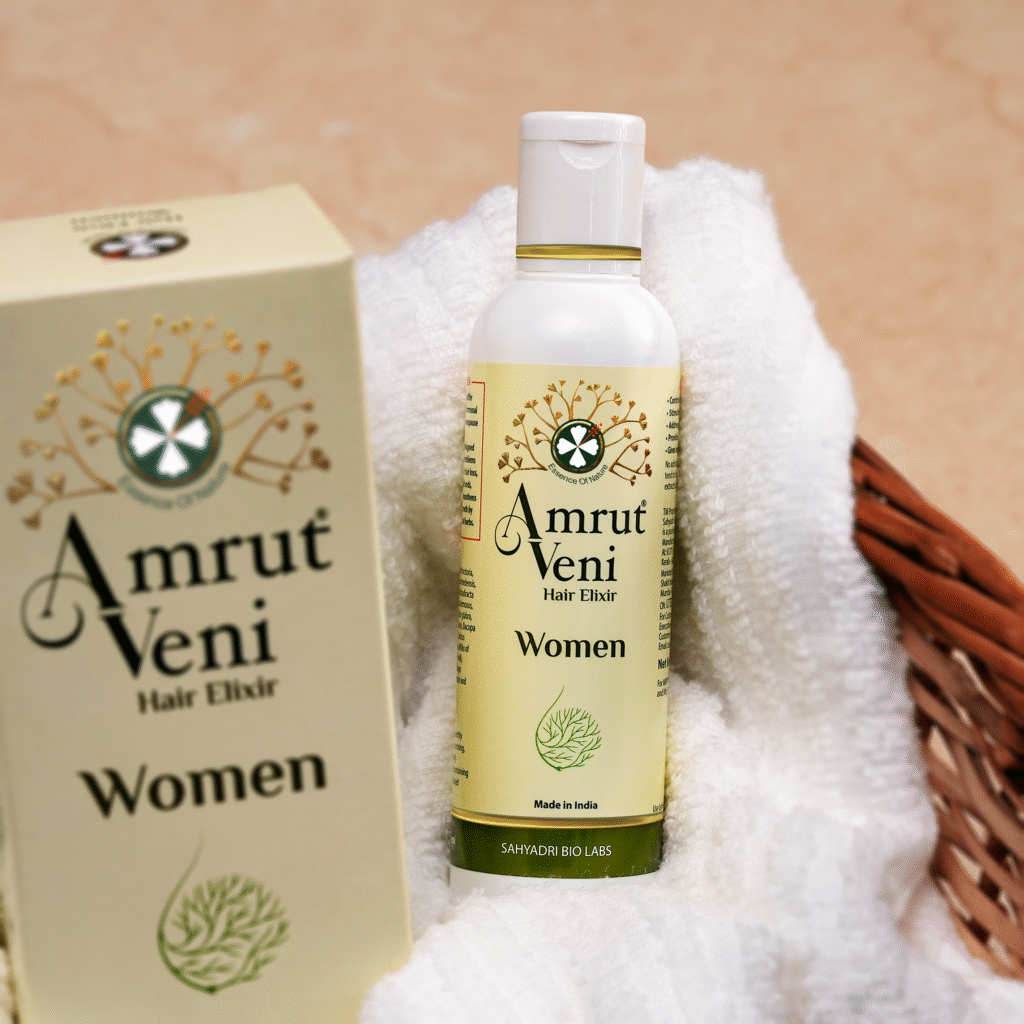
In summary, Amrutveni Hair Elixir for Women represents a new frontier in hair care by combining clinical science with natural wisdom. It directly targets the common causes of women’s hair fall – supplying phytoestrogens to stabilize hormonal hair thinning, packing in vitamins and minerals to fix deficiencies at the roots, and reinforcing the hair fiber to prevent breakage. After a month of use, users commonly report that their hair feels stronger, fuller, and silkier, with far less shedding. The shine and elasticity return as the hair’s moisture balance is restored. It essentially lets you achieve a “hair spa” effect at home, without the risk of side-effects that oral drugs or harsh salon chemicals carry. For Indian women aged 22–50, whether you’re experiencing early thinning, post-pregnancy hair fall, or damage from years of styling, this elixir offers a convenient, all-in-one solution. It’s salon-free and hassle-free – you incorporate it into your regular routine and watch your hair transform over weeks. By sticking to this natural yet high-tech ritual, you can regain healthier, denser, and more manageable hair, reviving your crowning glory with confidence.
References:
- ALCS Clinic (India) – “Hair Today, Gone Tomorrow: Baldness Statistics in India.” ALCS India blog, citing NCBI data on hair loss prevalence (2023)alcsindia.com.
- Nioxin (Sara Alkazraji, MIT) – “Understanding Female Hair Loss – Causes & Treatments.” Nioxin Trichologist Blog (2021)nioxin.comnioxin.com.
- Healthline (C. Yuan) – “How Much Hair Loss Is Normal? Washing, Brushing, and More.” Healthline Media (2018) – notes ~40% of women’s daily hair loss is due to styling damagehealthline.com.
- Healthline (K. Cherney, medically reviewed by C. Cobb, DNP) – “How to Stop Hair Breakage – 12 Possible Causes and Treatments.” Healthline (2023)healthline.comhealthline.com.
- Independent Pharmacy (UK) – “10 Vitamin Deficiencies That Are Linked to Hair Loss.” (2020) – outlines effects of low D, A, E, C, iron, etc. on hair healththeindependentpharmacy.co.uktheindependentpharmacy.co.uk.
- Tamer et al., Adv Dermatol Allergol. 2020;37(3):407-411. – “Serum ferritin and vitamin D levels should be evaluated in patients with diffuse hair loss prior to treatment.” – Found low ferritin and 25(OH)D in women with hair losspubmed.ncbi.nlm.nih.gov.
- DermNet NZ – “Telogen Effluvium (Hair Shedding).” (2019, updated by Dr. F.L. Chang) – Explains shock-induced hair loss; up to 70% of anagen hairs can shift to telogen under stressdermnetnz.org.
- Medical News Today (L. Burgess, A. Murnan) – “Phytoestrogens: Benefits, Risks, and Food List.” MNT (2025) – Notes that phytoestrogens mimic estrogen and may help those with low estrogen (e.g. menopausal women)medicalnewstoday.com.
- Nanashima et al., Molecules 2019;24(7):1272. – Research on blackcurrant extract with phytoestrogen activity: showed it alleviated hair loss in an estrogen-deficient (ovariectomized rat) model, suggesting a role for phytoestrogens in promoting hair growthmdpi.com.
- Times of India (Spotlight Feature) – “Amrutveni: Lush, beautiful and healthy hair using biotechnology.” (Oct 2024) – Overview of Amrutveni Hair Elixir’s development and ingredientstimesofindia.indiatimes.comtimesofindia.indiatimes.com. This article confirms the product is infused with phytoestrogens, essential vitamins and minerals, and free of harsh surfactants.